Xeltis has gained a European CE mark for aXess, with 12-month pivotal data of the vascular access graft for haemodialysis demonstrating strong and higher secondary patency versus conventional arteriovenous grafts (AVGs).
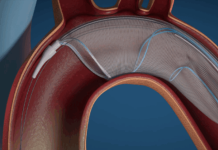
Xeltis’s aXess is a bioabsorbable graft for haemodialysis that is injected under the skin, promoting the growth of a patient’s own tissue to form a living, permanent blood vessel.
Related: Corify Care picks up FDA nod for cardiac mapping tech
With the CE mark in hand, the Netherlands-based company intends to initiate commercial activities for its graft across Europe.
Xeltis’s regulatory approval was supported by its 120-patient pivotal trial. Of the real-world population, 69% of enrolled patients had previously used a central venous catheter (CVC) and had a failed fistula. The study’s findings demonstrated 79% secondary patency and a patency‑related reintervention rate of 1.3 per patient year, alongside what Xeltis called a ‘significant’ reduction in infection burden.
In comparison to alternative venous access options, the one-year pivotal data also revealed that patency‑related reinterventions were 60% lower than AVGs and 30% lower than arteriovenous fistulas (AVF), resulting in fewer access procedures for patients. At one year, the access‑related infection rate was 3%, versus 22% for CVCs and 9% for AVGs.
Xeltis CEO, Eliane Schutte, said: “The data demonstrate that aXess is safe and easy to implant, and by 12 months transforms into a tissue-like, pulsating conduit. With this level of clinical evidence, we can now move forward with the commercialisation of aXess and begin delivering it to patients in real-world clinical practice.”
Haemodialysis is a specific type of dialysis in which an external machine and a dialyser (artificial kidney) are used to filter blood. It is the most common treatment for kidney failure. The failure of vascular access is viewed as a common issue, one that can prove life-threatening for individuals who require haemodialysis on a regular basis. However, participants in the space highlight that securing dialysis clinic buy-in for technologies that aim to improve the treatment represents a considerable challenge, partly due to the lack of funding for kidney disease.