Picard Medical, parent company of SynCardia, announced the completion of an in vivo study of its Emperor platform.
The company completed an acute in vivo implant study series using the next-generation Emperor Total Artificial Heart (TAH). Its evaluation took place at the University of Arizona and Banner University Medical Center in Tucson, Arizona.
Related: Reflow Medical has positive data for coronary drug-eluting stent
Picard said its animal study evaluated the latest iteration of Emperor, an electromechanically actuated system designed to build upon the established blood-contacting architecture and extensive clinical experience of the company’s first-generation TAH. That system became the first system of its kind approved by the FDA and Health Canada.
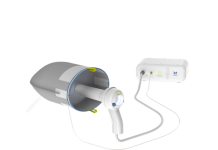
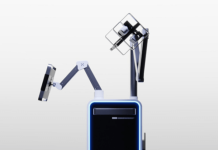
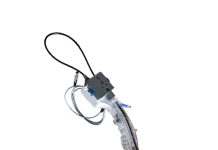
The company designed the Emperor as a fully implantable, driverless version of the SynCardia TAH. It provides pulsatile flow without requiring a pneumatic driver. Emperor has multiple approved patents backing it, including one garnered as recently as September 2025. Picard announced the first in vivo implants in November 2025.
Picard said its study successfully completed three acute implant procedures. Emperor demonstrated stable hemodynamic support with observations consistent with physiologic autoregulatory behavior. Investigators observed zero device-related intraoperative failures.
The company says its study demonstrated Emperor’s ability to provide stable full circulatory support in a large animal model.
“These studies mark another important milestone toward our goal of a fully implantable artificial heart,” said Patrick Schnegelsberg, Picard CEO. “The Emperor TAH is designed to build on decades of clinical experience from the SynCardia platform, with the goal of improving patient mobility and quality of life.”