EmStop announced that it kicked off the CAPTURE-2 FDA investigational device exemption (IDE) study of its embolic protection system (EPS).
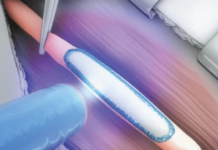
CAPTURE-2 evaluates the safety and performance of the EPS, an investigational device for cerebral embolic protection designed to capture and remove debris that includes thrombus during commercially available transcatheter aortic valve replacement (TAVR) procedures. The first cases in the study took place at Mission Hospital in Asheville, North Carolina.
Related: Reprieve Cardiovascular pilot study backs heart failure system
Minneapolis-based EmStop aims to develop and commercialize the first integrated embolic protection system for TAVR. Its study evaluates the device against Boston Scientific’s Sentinel, a currently available cerebral embolic protection device for TAVR. The company said CAPTURE-2 builds on successful results from CAPTURE-1, an early feasibility study.
EmStop designed its device to provide full cerebral protection for left-heart catheterization procedures. The company labels it the first integrated embolic protection system for protected TAVR.
Dr. Stanley J. Chetcuti, national primary investigator for the study, serves as the structural heart medical director at University of Michigan Health, Chetcuti said the device offers “an important step forward” in understanding how to address neurological risk, like stroke, during TAVR.
“The CAPTURE-2 clinical trial represents another step in the understanding and advancement of the important role that embolic protection systems can play in TAVR procedures,” said Phil Ebeling, EmStop president and CEO. “On behalf of the entire EmStop team, we look forward to working with our clinical research partners in advancing the science around stroke in TAVR patients and ultimately improve patient outcomes.”