Motif Neurotech announced that it received FDA investigational device exemption (IDE) to evaluate its brain stimulation implant.
Houston-based Motif plans for its RESONATE early feasibility study to evaluate its Motif XCS wirelessly powered implant. Motif XCS, built on the company’s DOT microstimulator technology, delivers gentle electrical stimulation to a brain region clinically shown to reduce the symptoms of depression in adults who have not found relief from two or more medications.
Related: BrioHealth gets conditional FDA nod for pediatric ventricular assist device study
The company says the milestone makes it the fastest implantable brain-computer interface (BCI) company to move from founding to IDE approval with a novel device, picking up the FDA nod four years after its establishment. It launched a patient registry for the technology late last year.
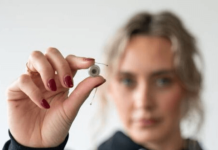
Motif designed its miniature pacemaker-like device to precisely stimulate the brain. It restores healthy circuit activity to treat mental health disorders. The blueberry-sized implant, which goes in during a 20-minute outpatient procedure, has capabilities for at-home therapy. Additionally, the company said its design aims to monitor brain signals to guide more personalized therapy through objective measures.
With the IDE, the company plans for its study to confirm the safety of the device and procedure after a 12-month post-implant period. Researchers also intend to track meaningful reductions in depression symptoms using widely used clinical assessments. Other targeted metrics include quality of life, anxiety and cognitive function.
The company plans for its RESONATE study to take place across up to eight leading medical institutions. Those include Baylor College of Medicine, Massachusetts General Brigham, Emory Healthcare, UT Health Houston, University of Iowa, University of Utah Health, New York University and Brain Health Consultants (Houston).
Jacob Robinson, co-founder and CEO of Motif Neurotech, said:
“We founded Motif to build neural devices that give everyone suffering from a mental health condition the opportunity at a better life. I am incredibly proud of our team, and grateful for this opportunity to advance our mission.”
Dr. Sunil Sheth, co-founder of Motif and associate professor of neurology at UTHealth Houston, said:
“With XCS therapy, we seek to achieve an optimal balance of effectiveness and non-invasiveness. The device’s ability to stimulate and address dysfunctional brain circuits while avoiding direct contact with the brain will hopefully lead to safe and durable symptom improvement, in a form factor that patients find acceptable.”
Dr. Sameer Sheth, co-founder of Motif, professor of neurosurgery at Baylor College of Medicine, director of the Cain Foundation Labs at Texas Children’s Hospital and RESONATE’s principal investigator, said:
“Treatment-resistant depression is one of the leading causes of disability and suicide in the U.S. and worldwide. Individuals with this condition have often tried a long list of medications and therapies and are still suffering. The RESONATE study gives us the opportunity to offer something genuinely new to people who have run out of options.”
Nick Halper, COO of Motif, said:
“IDE approval is a critical milestone that allows us to move from development into the clinic, and we are proud to have earned it. The patients who will participate in RESONATE have exhausted existing treatment options and are putting their trust in us, and IDE approval from the FDA is confirmation of the care and rigor our team has put into our therapy.”