Coherence Neuro has initiated its first clinical study of the investigational Cipher brain-computer interface (BCI), marking its transition into human testing.
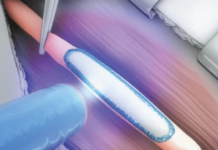
The study, led by Dr. Andrew Morokoff at Royal Melbourne Hospital, evaluates the system during brain tumor resection surgery. Cipher uses a flexible, high-density thin-film cortical probe designed to record neural activity and deliver stimulation with high spatial resolution.
Related: Imperative Care reports SYMPHONY-PE trial data for pulmonary embolism
The initial trial focuses on:
- Intraoperative neurophysiological mapping
- Electrical stimulation during tumor surgery
- Safety, usability, and device handling in humans
Data from this phase will support development of SOMA-1, a second-generation implant aimed at sensing and stimulating brain activity in the tumor microenvironment as a potential therapeutic approach.
CEO Ben Woodington said:
“While the transition to a clinical stage company is a phenomenal achievement, our real work is only just beginning. The team is on a mission to transform the lives of people with cancer, starting with the brain. We are developing the world’s first platform to record and modulate cancer in real time.”
The study positions Coherence Neuro among a growing group of companies advancing implantable brain-computer interface technologies for both clinical mapping and future therapeutic applications.