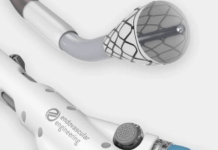
Francis Medical’s Vanquish device for treating intermediate-risk prostate cancer has been cleared by the US Food and Drug Administration (FDA).
Vanquish is a transurethral, ultrasound and electromagnetically guided thermal device that ablates cancerous prostate tissue using water vapour.
FDA clearance for Vanquish was based on data from US-based Francis Medical’s VAPOR 2 study (NCT05683691). The study evaluated the safety and efficacy of the Vanquish in treating subjects with Gleason Grade Group 2 (GGG2) localised intermediate-risk prostate cancer.
Related: FDA clears NeurAxis’ self-inflating balloon device RED
Six-month biopsy data on 110 of 235 patients involved in the trial demonstrated elimination of targeted MRI visible intermediate risk (≥GGG2) disease in 91% of patients following a single Vanquish procedure.
According to Francis Medical, Vanquish also demonstrated the ability to effectively treat cancerous lesions in all prostate locations, a factor that addresses a significant limitation of existing ablative options.
No device-related serious adverse events (SAEs) have been recorded throughout the study to date.
Francis Medical’s CEO Mike Kujak commented: “FDA clearance allows us to offer an alternative to patients with localised prostate cancer that better balances oncologic and quality of life risks.
“We will continue to follow the VAPOR 2 patients as we strive to fulfil our mission to be a first line therapy in patients with prostate cancer that is tough on cancer and gentle on patients.”
In the US, prostate cancer is the most common cancer in men, with one in eight estimated to be diagnosed with the disease in their lifetime.
In a Linkedin post, the Advanced Medical Technology Association (AdvaMed) praised Francis Medical’s FDA clearance, saying: “Expanding access to innovative medtech like the Vanquish Water Vapor system is an important step toward improving care for patients facing prostate cancer.”
In the UK, prostate cancer is the most common male cancer, and the second most common cancer after breast cancer. Awareness of the disease among the general public has been on the rise since former Olympian Sir Chris Hoy announced a terminal diagnosis of the disease in 2024. Former Prime Minister David Cameron also recently revealed that he had been diagnosed and subsequently recovered from the disease.
However, following the release of the UK National Screening Committee’s (NSC) draft recommendation for a targeted prostate cancer screening programme on 28 November, an expert panel advised against prostate cancer screening for most men in the UK.
Comprising government health advisers, the panel concluded that a prostate screening programme in the UK would likely cause more harm than good, citing a “high risk” for over-diagnosis versus only a small reduction in the amount of prostate cancer deaths.