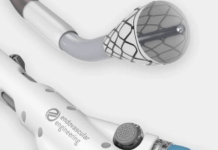
Adagio Medical announced that it received FDA investigational device exemption (IDE) to expand its FULCRUM-VT trial.
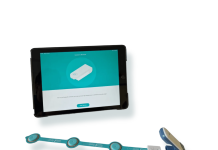
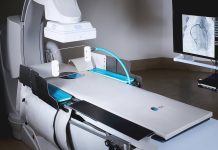
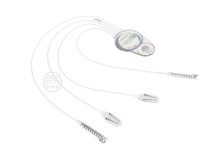
FULCRUM-VT evaluates the company’s vCLAS cryoablation technology for treating cardiovascular disease. Laguna Hills, California-based Adagio built its vCLAS cryoablation catheter on its proprietary ultra-low cryoablation technology (ULCT). It aims to address the challenges of ventricular tachycardia (VT) ablations, comprising part of the Adagio VT cryoablation system. The system’s features make it time- and effort-efficient across the range of purely endocardial ablation strategies in patients with multiple VT etiologies.
vCLAS picked up FDA breakthrough device designation in April 2025 and said a few months later that it completed enrollment for FULCRUM-VT.
Now, the FDA has given the green light for the company to evaluate its next-generation vCLAS ultra-low temperature ablation (ULTA) system. It intends to expand FULCRUM-VT to evaluate this technology in treating sustained monomorphic ventricular tachycardia (SMVT).
IDE enables the initiation of a clinical sub-study evaluating the next-generation system and a new catheter. The vCLAS Ultra catheter achieves ablation temperatures of approximately -170°C, the company said. This enables highly efficient, single-freeze applications that can produce effective lesions with greater than 50% reduction in ablation time.
Adagio plans for the sub-study to treat the same patient population treated in the pivotal phase of the IDE study. It received approval to add 55 proposed patients.
Commentary from Adagio officials and doctors
Todd Usen, Adagio CEO, said:
“We are building on a strong and growing body of clinical evidence supporting the effectiveness of our ULTA technology, which has already demonstrated the ability to create deep, effective lesions through a fully endocardial approach. IDE approval for this study expansion marks an important milestone as we continue to advance our vCLAS Ultra catheter, which we built to enable broader adoption across all electrophysiology practices. Our goal is to translate this proven technology into a highly scalable solution that can democratize the treatment of VT and become the go-to ablation catheter for treating the large, underserved population of patients who suffer from this disease. On behalf of the entire Adagio team, we would like to thank the FDA for their collaboration and partnership.”
Alex Babkin, chief technology officer of Adagio Medical, said:
“The vCLAS Ultra, which was designed to improve energy delivery, navigation, lesion control, and overall procedural workflow efficiency, reflects our team’s ability to expeditiously translate feedback from our physician partners into meaningful technological advancement. In parallel, the design incorporates improvements in manufacturability, supporting scalability and reducing overall system cost. Importantly, this advancement positions us to potentially offer the market a single, versatile catheter capable of treating the full range of VT substrates, all through an endocardial approach, with our clinically established ULTA platform technology. This IDE approval is an important step toward clinically validating what we believe could be a paradigm-shifting technological solution for VT.”
Dr. William Stevenson, professor of medicine, principal site investigator, Vanderbilt University Medical Center, said:
“Ventricular tachycardia remains one of the most difficult arrhythmias to treat, with current ablation approaches often limited by difficulty achieving sufficient lesion depth. We have been impressed with the safety and clinical results of the initial ULTA system for treating VT in patients with ischemic and nonischemic cardiomyopathies. We are looking forward to evaluating the next generation of the system, which we anticipate will have improved catheter maneuverability and allow shorter freeze times, both factors that should reduce procedure times.”