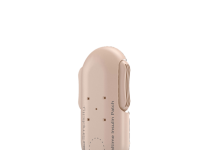
Sonorous Neurovascular received FDA breakthrough device designation for its BosSTENT device intended to treat pulsatile tinnitus, the company announced.
“The BosSTENT represents years of focused innovation to deliver an on-label, minimally invasive solution that normalizes venous hemodynamics and has the potential to dramatically improve quality of life for individuals with pulsatile tinnitus.” Sonorous Neurovascular President Joel Harris said.
BosSTENT is a novel braided, self-expanding stent that differs from traditional mesh stents; and features optimal radiopacity, enhanced visibility and resheathability, according to the Lake Forest, California-based company.
Pulsatile tinnitus causes rhythmic whooshing, thumping or pulsing sounds in one or both ears that synchronizes with a person’s heartbeat. It’s often caused by symptomatic venous sinus stenosis, a narrowing or obstruction of the veins in the brain that leads to increased pressure in the skull. Treatment for this condition involves intracranial venous stenting with off-label carotid or peripheral stents.
The FDA designation follows promising early clinical results in a 2024 first-in-human study. The BosSTENT device was used in 12 patients presenting with pulsatile tinnitus caused by a specific form of venous sinus stenosis called sigmoid/transverse sinus stenosis. There were no intraprocedural or postoperative complications and all patients reported complete resolution of tinnitus symptoms after one month.
Sonorous Neurovascular says it’s advancing clinical trials and regulatory pathways to bring BosSTENT to patients in and outside of the U.S.
“This FDA Breakthrough Device Designation is a major milestone for Sonorous Neurovascular and, most importantly, for the patients suffering from debilitating pulsatile tinnitus,” Harris said “We are grateful for the FDA’s recognition and look forward to collaborating closely under this program to accelerate access to treating patients.”