Vdyne announced that it received FDA investigational device exemption (IDE) for a pivotal trial evaluating its heart valve system.
Maple Grove, Minnesota-based Vdyne develops a transcatheter tricuspid valve replacement (TTVR) system. IDE approval enables the initiation of a U.S. pivotal study to test the valve’s safety and effectiveness in severe tricuspid regurgitation (TR).
Related: Butterfly Network wins FDA clearance for GA AI ultrasound tool
TR remains a significant unmet need, with a small percentage of patients suffering from the condition eligible for surgical treatment, the company says. It designed its TTVR system as a patient-tailored, minimally invasive solution to address the complexities of tricuspid valve anatomy and disease.
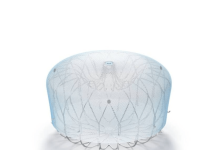
The company aims for the valve to conform to the patient’s tricuspid anatomy. It features proprietary side-delivery technology to support a wide range of valve sizes, treating more patients in need. Vdyne’s valve has a unique shallow delivery trajectory, plus a self-aligning design to simplify implantation and reduce imaging burden.
According to Vdyne, its valve optimizes positioning for full function evaluation prior to valve release. With no hooks or barbs used, it has full repositionability and retrievability. Additionally, the device minimizes structural exclusions and accommodates low right atrium height, right ventricle structures and previously implanted devices like leads. The company offers it in five sizes as well.
Vdyne reported first-in-human use of its valve replacement in November 2023. Since then, the company reports use globally throughout clinical studies and compassionate use, providing insights into outcomes.
If the device continues to progress, it could offer another TTVR option in a market that features the Edwards Evoque system. Other TTVR players include Venus Medtech’s Cardiovalve and TriCares.
Vdyne CEO Mike Buck said:
“This is a defining milestone for VDYNE and an important step toward bringing a much-needed therapy to patients with severe tricuspid regurgitation. Our focus now is on disciplined clinical execution and partnering with leading investigators to generate high-quality data that advances the field and improves patient care.”