Heart Failure Solutions, a clinical-stage medtech company based outside Minneapolis, announced the first successful in-human use of its PeriCut system, designed to treat patients with heart failure with preserved ejection fraction (HFpEF).
The in-human use of the system was a part of Heart Failure Solutions’ FDA-approved early feasibility study.
Related: JenaValve reports positive Trilogy heart valve data for aortic regurgitation
The PeriCut system is a novel treatment for patients living with HFpEF, previously referred to as diastolic heart failure. HFpEF has a complicated pathophysiology; the left ventricle is stiffened in patients with HFpEF, preventing the heart from properly filling with blood. HFpEF accounts for 50% of heart failure diagnoses.
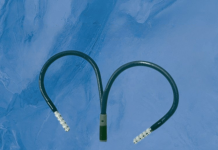
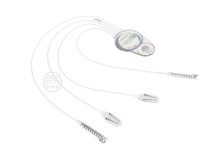
The PeriCut system aims to become a new treatment option for HFpEF patients, who currently have few therapies available to them. The system includes a dilator, a steerable catheter, and a sheath. It allows users “to perform a pericardiotomy through minimally invasive access to the pericardial space to treat patients with HFpEF, in addition to guideline-directed medical therapy,” according to an article published in JACC: Basic to Translational Science.
The goal of the PeriCut system is to reduce the symptoms associated with “high left ventricular filling pressures” and to “potentially improve HFpEF patient survival,” according to the journal article.
Dr. Ammar Killu, an investigator at Mayo Clinic, performed the first in-human procedure on three patients who are recovering.
“This first procedure represents a meaningful step toward transforming care for patients living with HFpEF. We are encouraged by the initial results and look forward to continuing the clinical evaluation of this technology as we work to deliver new hope to patients who urgently need better therapies,” said Heart Failure Solutions Founder and CEO Mark Strong in a press release.
Heart Failure Solutions will continue to enroll patients in its early feasibility study. The company aims to gather data on the PeriCut system’s safety and feasibility, as well as hemodynamic improvement and functional status in patients. It plans to present results at THT 2026, March 2–4, 2026 in Boston.