VESTECK announced that implanting clinicians will present two-year follow-up data from the company’s first-in-human experience with the SUTURE-TIGHT™ Endovascular Catheter System, an adjunctive fixation technology designed to enhance long-term durability of endovascular aneurysm repair (EVAR) procedures.
Related: Kandu trial highlights positive outcomes with IpsiHand BCI system
The paper will include outcomes from 14 first-in-human patients treated with SUTURE-TIGHT™ in conjunction with commercially available EVAR devices.
Key Two-Year Findings (First-in-Human Cohort, n=14)
- Document all aneurysm sac shrinkage observed across the cohort
- Sustained graft stability, no graft migration at two years
- Nitinol sutures remained securely in place
- No suture fractures
- No evidence of suture embolization
- No evidence of endoleaks
“These two-year data provide important early evidence supporting the durability of SUTURE-TIGHT™ fixation,” said Venkatesh Ramaiah MD, one of the implanting physicians in the study. “The aneurysm sac findings, regression, graft stability and no endoleaks are encouraging for patients undergoing EVAR, in this procedure long-term durability is critical.”
Addressing Long-Term EVAR Durability and aortic tissue remodeling
“Despite advances in endovascular graft engineering and design from leaders such as Medtronic, W. L. Gore & Associates, Terumo and Cook Medical, the remodeling/dilatation of the aortic tissue creates long-term durability and fixation challenges in EVAR. Loss of proximal fixation, endoleaks, graft migration, and sac expansion continue to drive surveillance and reintervention in a subset of patients.” Said Dr. Daniel Clair, Chair of the Vascular Surgery Department at Vanderbilt and the PI for VESTECK’s 100 patient clinical trial.
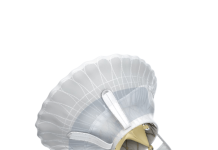
The SUTURE-TIGHT™ system is designed to provide circumferential nitinol suture fixation, creating secure graft-to-aortic wall apposition while preserving endovascular workflow. The proprietary nitinol suture architecture is engineered for flexibility, fatigue resistance, and long-term structural integrity.
At two years, imaging follow-up demonstrated:
- Durable apposition of the endograft to the aortic wall
- Stable device position
- No structural failure of the nitinol sutures
“These findings support our thesis that durable, distributed fixation can meaningfully enhance EVAR performance,” said VESTECK CEO, Joe Rafferty. “Importantly, we observed no suture fractures and no embolization events — these are critical safety endpoints for any permanent implantable fixation technology.”
Next Steps
Full two-year data from the first-in-human cohort will be presented in writing and at upcoming major vascular meetings.
VESTECK plans to expand the clinical experience with SUTURE-TIGHT™ conducting our FDA 510K clinical trial.